Showing posts with label earth quakes. Show all posts

Tuesday, May 29, 2018

Immediate evacuation ordered as advancing lava threatens shut down of Highway 132

Lava flow near Highway 132
Fast moving lava approaching Highway 132 at Lava Tree State Park to Four Corners prompts more evacuations in Leilani estate in Puna, Big Island of Hawaii. If the Highway is completely shut down, Beach road will be the only escape route left for residents in lower Puna.

The Hawaiian Volcano Observatory reports an additional lava flow has crossed Pohoiki Road south of the Highway 132 junction.  


Late Monday afternoon, Fissure 8 erupted into volcanic fountain reaching a height of 100-150 feet, spawning a fast-moving flow that moved north along Luana Street. According to Hawaiian legend, this has led to Pele's hair being transported downwind with some strands falling in Pahoa. The United States Geological Survey (USGS) has urged the residents to minimize exposure to Pele's hair (volcanic glass), which can cause skin and eye irritation similar to volcanic ash.


Here is a YouTube video in which the Hawaii Volcanoes National Park Ranger, Adrian Boone explains the origin of "Pele's Hair" at Kilauea Volcano.


Lava Fountain at Fissure 7
Kīlauea Volcano — Fissure 7 Activity

Rapidly advancing lava consuming houses and trees

Since last reported 16, 18, 22,13, and 20 were active, with a flow moving south from Fissures 16/18.
An ash eruption at Halemaumau crater last night produced ash plume 15,000 feet in the air.  Light winds are blowing toward the northwest and ash fall may affect the Volcano and Pahala areas. Earthquakes continue in the summit region as the area is adjusting to the flow of magma.

A car being engulfed by the lava stream


Kīlauea Volcano — Pāhoehoe Flows on Kaupili Street

Here is a YouTube video by a resident as Lava surrounds his house 


Thursday, May 17, 2018

Explosion at the summit of Hawaii's Kilauea volcano creates a 30,000 feet tall ash plume

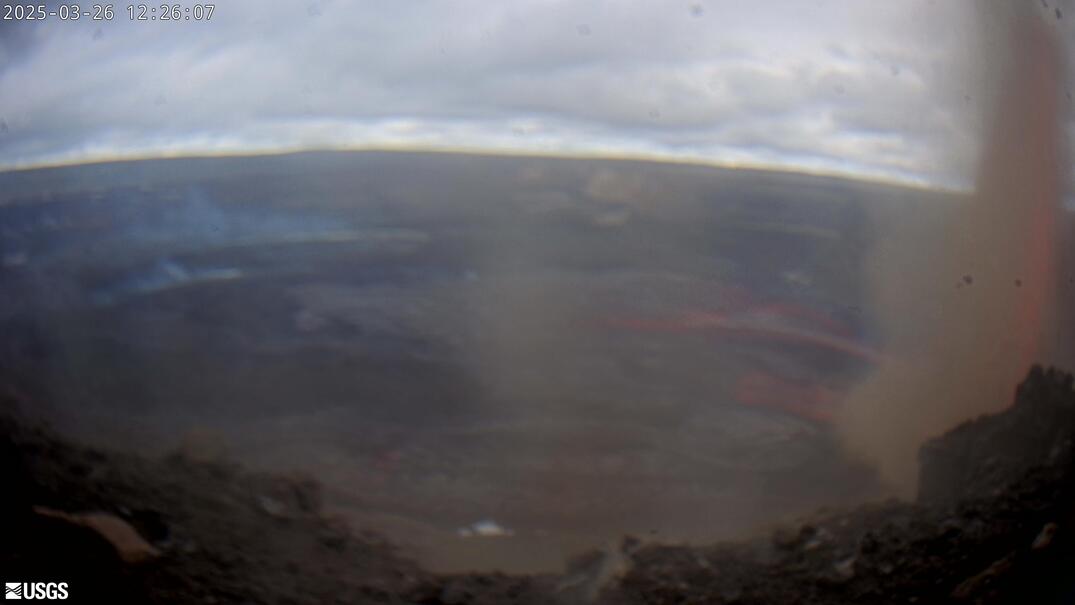
Webcam image shows the plume of ash from Thursday morning's explosive eruption at Kilauea (Image: USGS)

Hawaii Volcano Observatory officials confirmed that there was an explosive eruption at around 4:15 a.m., at the summit of Kilauea which created a massive volcanic cloud reaching 30,000 feet. That's a little below the cruising altitude of a jetliner.

Huge plumes of ash poured from Halemaumau Crater as volcanic activity at the summit continued. (Image: Janice Wei)

"At any time, the activity may again become more explosive, increasing the intensity of ash production and producing ballistic projectiles near the vent," the USGS said. "Ballistic projectiles may be produced should steam-driven explosions occur. Impacts will be limited to an area around Halemaumau."

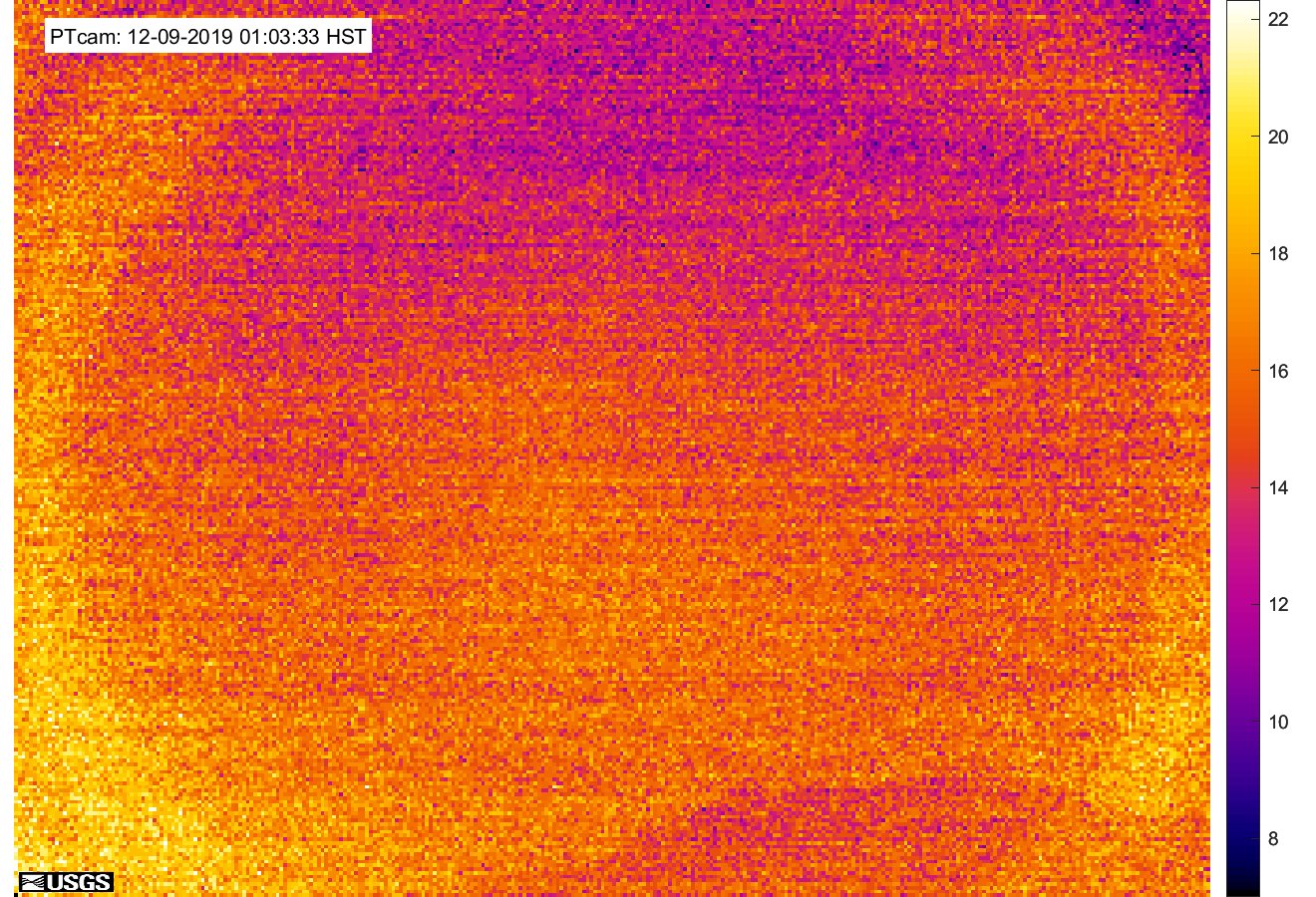
image from a temporary thermal camera positioned on the northwest flank of Puʻu ʻŌʻō showing the heat map


Earlier, the ash plume rose to 12,000 feet on Tuesday, covering the surrounding areas in a thick blanket of smoke and ash.

The National Weather Service has issued an ashfall advisory after radar showed the massive plume. The wind is expected to carry the ash plume toward Ka'u, Volcano, Mountain View, Keaau and as far as Hilo.

The explosion followed a series of 125 shallow quakes that rattled Kilauea's summit and neighboring communities since 1 day.

Michelle Coombs, of the U.S. Geological Survey, said the situation remains "very, very active and very dynamic. Scientists were not surprised by the volcano explosion that sent a cloud of volcanic ash up to 30,000 feet above sea level Thursday. She said even more powerful events could follow.


Michelle Coobs with U.S. Geological Survey says scientists were not surprised by the volcano explosion that sent a cloud of volcanic ash up to 30,000 feet above sea level Thursday. She said even more powerful events could follow.

The quakes are being caused by the ongoing deflation at the summit and as lava levels continue to plummet. As of Wednesday afternoon, the floor of the Kilauea caldera has dropped about 3 feet.

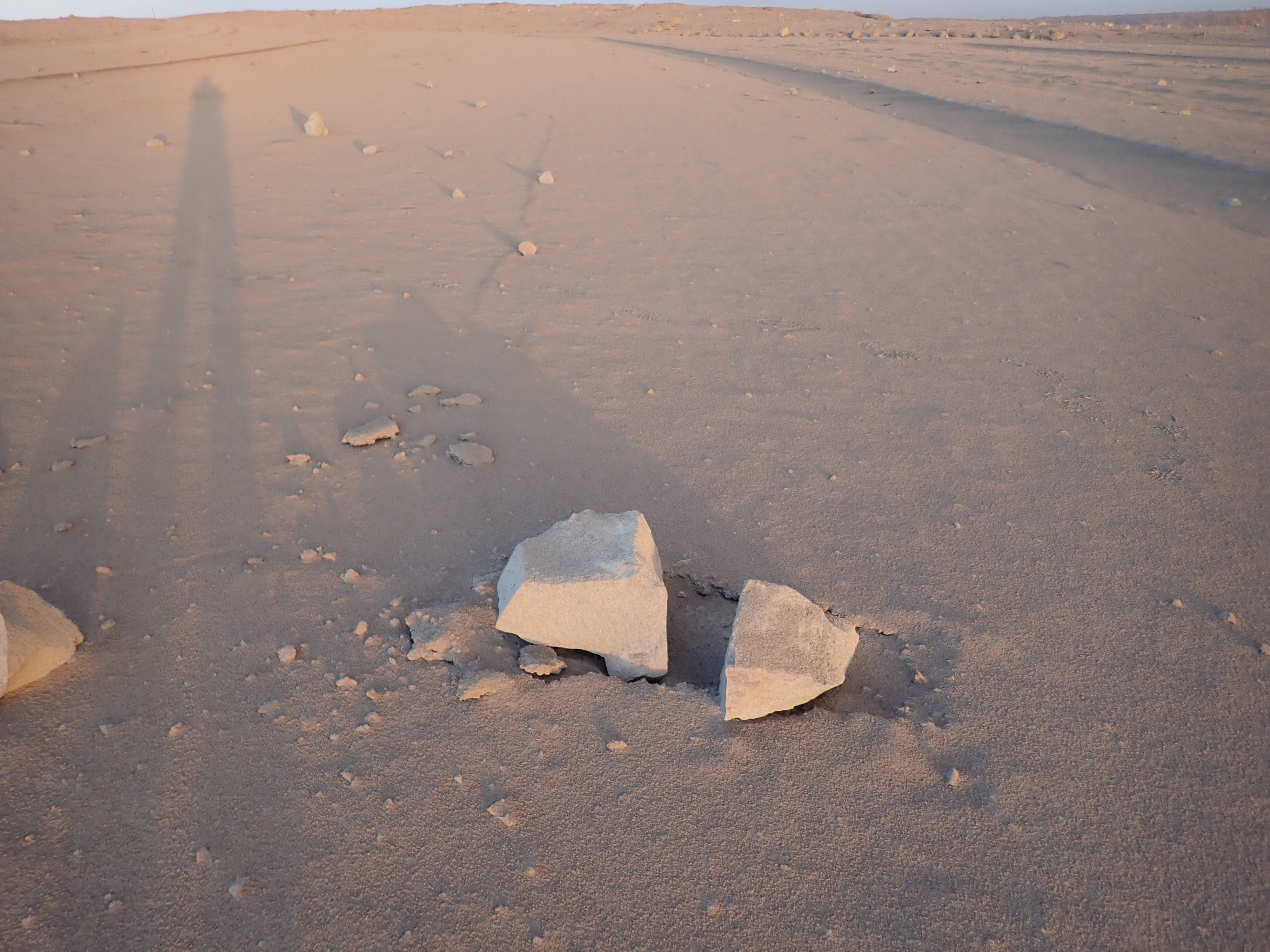
Close view of rock hurled from the Overlook crater during an explosive event last evening. The rock broke apart on impact and was about 60 cm (24 in) before it hit the ground.


Also on Wednesday, Hawaiian Volcano Observatory said rocks up to 2 feet wide were hurled from the crater to a parking lot hundreds of yards away. The hurling of these ballistic rocks could reflect the onset of a steam-driven explosion that the officials are expecting since long. This will happen as the lava level continue falling and touch the water table beneath the Kilauea caldera, creating a massive explosion.

Researchers don't know when the explosive activity will occur, how large the explosions could be or how long they'd last.

Don Swanson, of the Hawaiian Volcano Observatory said, "If an explosion happens, there's a risk at all scales. If you're near the crater within a half a mile or so, then you would be subject to a bombardment by ballistic blocks weighing as much as 10 or 12 tons."