Waialua,
located on North Shore of Oahu boasts nutrient rich volcanic soil, abundant
sunshine and plenty of rains- a perfect combination to produce world class
coffee and cacao. Waialua estate coffee and cacao farming done on land that was
formerly a sugarcane plantation.
Waialua
Sugarcane company located in the town of Waialua was home to the largest
sugarcane factory in Hawaiian Island. Northshore was also famous for Dole
plantation pineapple growing and processing operation established by James
Dole in 1901. Immigrants from several Asian countries came here to work on
plantation estate and made Hawaii there home for coming generations.


But,
increasing globalization in agricultural industry brought upon a need to
diversify the crops to compete with global demands. So, the sugarcane factory
was shut down in 1996 and Dole started farming coffee and cacao to fulfill the
demands of high quality, authentic locally grown products. The newly added
agricultural products also provided employment to displaced agricultural
workers of the sugarcane mills.
The new
products included tropical fruits like papaya, mango and tropical flowers and
gourmet crops like coffee and cacao.
The Wahiawa
plateau is bordered on two sides by the steep and majestic Waianae and Ko’olau
mountain ranges in the shadow of Mt. Ka’ala, the Island’s highest point and
provides the perfect condition to grow rich, aromatic, anti-oxidants rich crops
of coffee and cacao.
The coffee estate stretches across 155 acres, 700 feet above sea levels above the coastal
towns of Haleiwa and Waialua and the cacao orchards are at the sea levels
across 20 acres of land on the banks of Kaukonahua river, near Waialua town.
The area has an average temperature of mid 80’s Fahrenheit and annual rainfall
of20 inches.
 |
| coffee berries in various stages |
 |
| coffee berries in various stages |
 |
| coffee berries in various stages, the Red are ripe and the green are unripe |
The coffee
harvest season begins in September and continues through February. The coffee
harvest is processed in two ways at the processing plant. Visitors can have a
mini tour of the coffee and cacao gardens while visiting the estate.
WASHED
COFFEE or wet processing of the cherries results in a smooth mellow, well
balanced cup with a medium body, mild acidity, clean finish, hint of chocolate
and a pleasant, lingering aftertaste.
In the wet
process the coffee cherries are water sorted and the ripe coffee cherry is
pulped, washed and fermented for 1 to 2 days. The beans are than washed again
to remove the debris, sun-dried in a covered drying area and finished in a
dryer to an 11% moisture level. As the final step, the beans are hulled, graded
and sorted, with a screen size ranging from Peaberry to 18.
 |
| the tank for fermentation for wet process |
 |
| The wet process, coffee beans fermenting in water |
NATURAL
RAISIN COFFEE results in a complex coffee with a dried fruit fragrance, rich,
smooth, full body distinct chocolate character and pleasant aftertaste.
The “dry
process or natural process” is the classic and oldest approach to process the
coffee beans. The cherries are hand-picked and allowed to sundry for up to 4
weeks where the sugars naturally ferment the coffee bean. After drying, the
fruit is hulled and dry milled. The coffee derives a dried fruit fragrance and
tannic coloring from longer contact with the cherry skin, lending the cup a
deeper, fuller, slightly fruity quality.
 |
| The Natural Process |


PEABERRY
Peaberry is
a natural mutation of the coffee bean inside the cherry, in which instead of
the normal “two to a fruit, flat against each other like halves of a peanut”
arrangement the bean is single, tiny, football shaped and is highly prized for
its cute round shape, fine flavor and limited availability. The Dark Roast is
rich, smooth and full bodied with a distinct hint of chocolate. Perfect for
those who enjoy a full-flavored coffee with a more pronounced slightly smoky
aroma. The coffee beans are chocolate brown, with a light sheen of oil.
Available in Ground or Whole Bean.


Find your choice of Hawaiian Coffee : Shop Hawaiian coffee here 

Chocolate
The Cacao
trees in Waialua estate are a special blend of Criollo, Trinatario and Forestero
varieties sourced from some of the finest cacao estates in the world. The
botanical name of cacao tree is Theobroma tree, which,
roughly translated, means “food of the gods” or more literally. “God food.” It
grows best between 20 degrees north of the equator and 20 degrees south of the
equator, an area known as the tropical belt; and because it is rather narrow,
the number of countries in which it may be grown productively is very limited.
 |
| Cacao tree with chocolate pods |
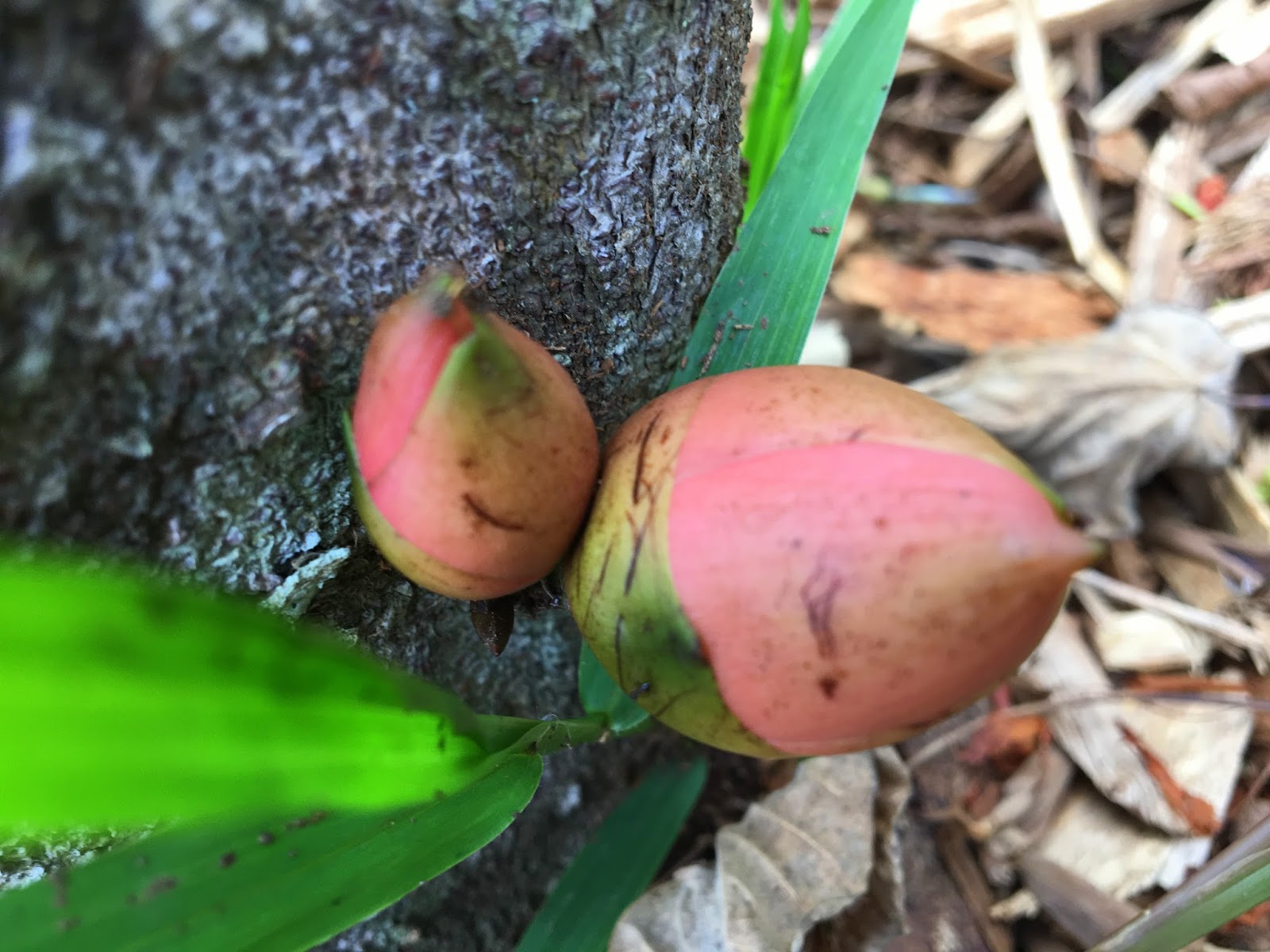
The tree
produces cacao pods which contains the cacao beans amid slimy white material.
Like coffee the flavors varies and depends mainly on the genetics, the
environment, the fermentation process, and finally, roasting.
The
chocolates are made in collaboration with Guittard Chocolate Company of San Francisco which provides the necessary expertise for fermenting
and drying of cacao beans.
Waialua
estate chocolate is World-Class Award-Winning Chocolate made from pure
Hawaiian Single Origin 70% Cacao. Each bar is exclusively designed and
wrapped in bright rich colored wrapper evoking the spirit of Aloha for
consumers of this rich, rare and exclusive chocolates.
 |
| Unripe cacao pods |
 |
| Empty Cacao pods |
 |
| Cacao seeds being dried |
Three premium bars are available: The Extra Dark 70% Cacao bar in the smooth brown wrapper with a dark green palm frond is the original flagship chocolate, noted for its bright fruit notes, rich deep cocoa flavors, and velvety textures.
The Semi Sweet with 55% Cacao Nib Bar is newly designed and comes in the deep purple wrapper with its roasted nib flavors, satisfying crunchy texture and hint of fruitiness, is sure to become customers favorite.
For Milk Chocolate lovers, They have 38% cacao bar in the subtle, smoky red wrapper. It is a gold medal winner noted for its warm caramel tones and delicious creamy texture sure to satisfy and delight.
The Semi Sweet with 55% Cacao Nib Bar is newly designed and comes in the deep purple wrapper with its roasted nib flavors, satisfying crunchy texture and hint of fruitiness, is sure to become customers favorite.
For Milk Chocolate lovers, They have 38% cacao bar in the subtle, smoky red wrapper. It is a gold medal winner noted for its warm caramel tones and delicious creamy texture sure to satisfy and delight.
 |
| Premium Chocolates at the Waialua estate |
There are
other Hawaiian memorabilia sold in the estate factory. We tasted Lychee and
Mango infused Hawaiian cane sugar and the taste was very unique. Hawaiian
cigars and shave ice is also available in the estate.
 |
| Waialua Coffee estate memorabilia |
 |
| Add caption |
 |
| Waialua Coffee estate memorabilia |
 |
| Waialua Coffee estate memorabilia |
You also get
to taste the coffee and dried, roasted cacao seeds. Tasting the cacao seeds was
a unique experience and could never forget the bitter, fruity taste of cacao.
There are
two other cacao farms on Oahu namely Lonohana Estate Chocolate and
the Kahuku Farms